

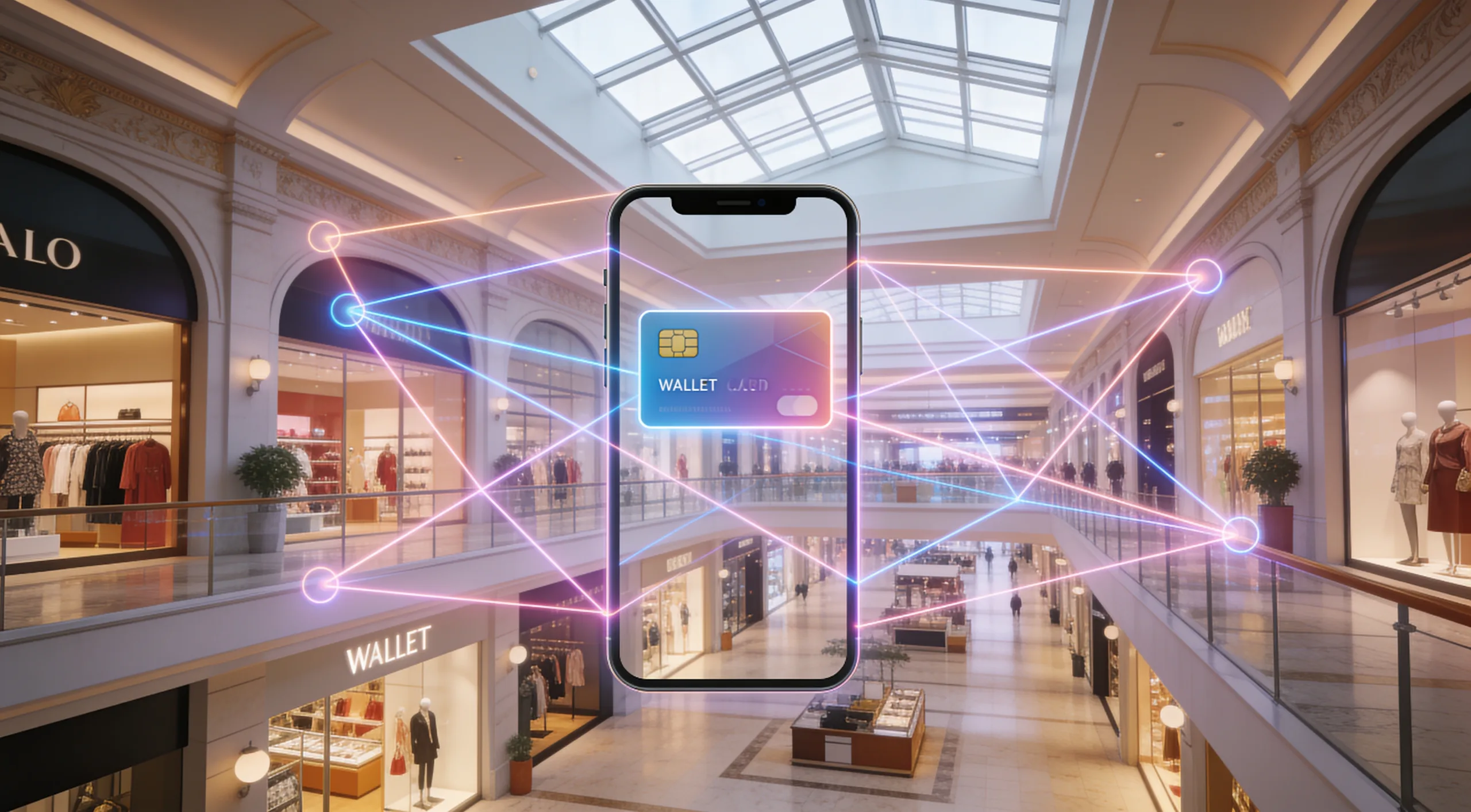
Modern Retail Loyalty Programs: From Traditional Discounts to Omnichannel Customer Experiences
Traditional loyalty programs built solely on point accumulation and plastic cards are no longer enough to retain modern shoppers. Retailers and shopping centers must shift toward advanced omnichannel loyalty ecosystems. Connecting physical stores, e commerce, and mobile wallets with personalized rewards visibly boosts visit frequency, average basket size, and long term customer retention.
Why Traditional Discounts No Longer Build True Loyalty
The modern consumer is flooded with options, discount codes, and promotional messages. Most retailers frequently get caught in price wars where the discount percentage takes center stage. Yet research shows that slashing prices alone does not create loyal shoppers, it simply attracts bargain hunters.
True success in retail and shopping centers stems from the overall customer experience.
Loyalty happens when a store or shopping mall understands customer needs, rewards engagement at every touchpoint, and provides a seamless shopping journey both online and in brick and mortar locations.
What is Modern Omnichannel Loyalty Management?
An omnichannel loyalty program is a unified platform that connects all retail channels of a business or shopping mall into a single user experience. Shoppers can collect and redeem points or benefits regardless of where they make a purchase, whether in an online shop, via a mobile app, or at a physical POS terminal.
Core Features of Modern Loyalty Programs:
- Frictionless Identification: Utilizing digital passes in Apple Wallet or Google Wallet, QR codes, or phone number identification instead of plastic cards.
- Real Time Personalization: Offers tailored to an individual customer’s past purchases and browsing behavior.
- Shopping Mall Interoperability: Enabling shoppers in retail centers to collect points or redeem gift cards across all tenants and stores within the mall.
- Hybrid Rewards: Going beyond discounts by providing access to exclusive events, priority offers, or complimentary services like free parking or gift wrapping.
Key Mechanisms for Building Long Term Customer Relationships
1. Implementing a Closed Loop Gift Card System
When a shopping center or retail chain introduces e gift cards and physical cards within a closed loop ecosystem, it achieves several vital operational goals:
- Business Predictability: Funds are collected upfront, generating stable cash flows.
- Higher Average Spend: Customers redeeming gift cards consistently spend more than the initial face value on the card.
- Acquiring New Customers: A recipient who receives a gift card becomes a new visitor to the store or shopping center.
2. Segmented and Automated Challenges
The most effective way to increase foot traffic frequency is through personalized challenges.
- Example: Setting a target where a shopper receives a special perk for their next purchase upon completing a specific number of visits within a given timeframe.
- Impact: The shopper develops a habit of visiting the store regularly and gradually builds brand affinity.
3. Data Aggregation to Understand Market Trends
Shopping habit data is critical for understanding market dynamics. By tracking which product categories customers frequently buy together, retailers can craft highly targeted offers and automated reminders.
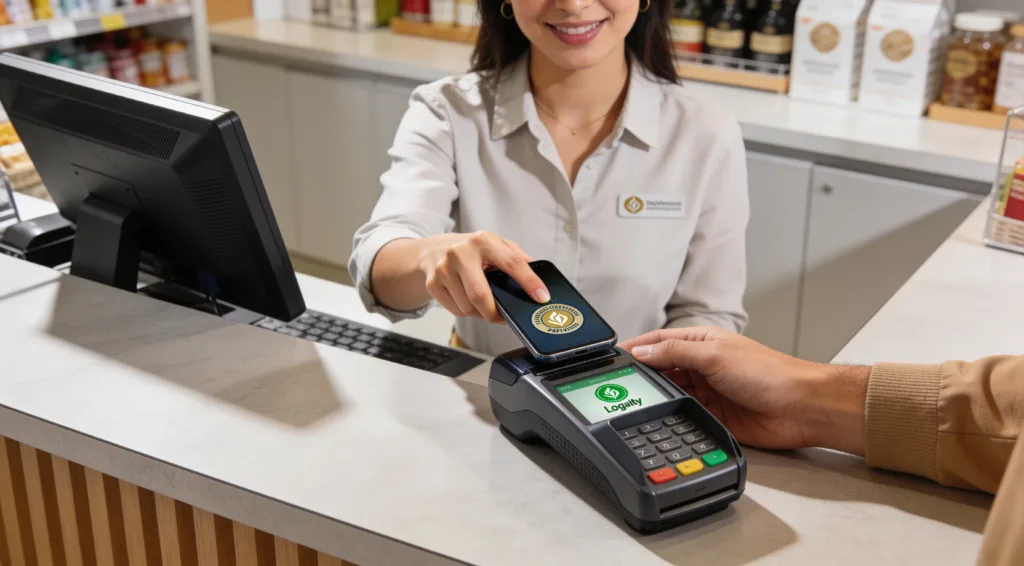
Traditional Discounts vs. Smart Loyalty
The key differences between legacy rewarding methods and a modern approach:
- Rewarding Approach:
- Traditional Discounts: The same discount applied to everyone, offering no lasting retention impact.
- Smart Loyalty: Targeted perks based on actual customer value and activity levels.
- User Experience:
- Traditional Discounts: Plastic cards that shoppers frequently forget or lose.
- Smart Loyalty: Contactless digital cards stored right inside a smartphone or mobile app.
- Data Insights:
- Traditional Discounts: Zero visibility into who the shoppers are or what they prefer.
- Smart Loyalty: Precise analytics on purchase habits, visit frequency, and campaign responsiveness.
- Flexibility:
- Traditional Discounts: Static promotions that are difficult to adjust to shifting market conditions.
- Smart Loyalty: Dynamic programs that adapt continuously based on customer response rates.
Key Steps in Updating Your Loyalty Program
To transition successfully to a modern loyalty ecosystem, it is best to follow three practical steps:
- Step 1: Digitalize Access TouchpointsAllow shoppers to join the loyalty program or obtain a gift card easily via web or QR code in store within seconds.
- Step 2: Connect Physical and Online Store DataEnsure the POS system and e commerce platform operate in sync so that shoppers recognize identical perks across all channels.
- Step 3: Automate Communication WorkflowsSet up automated notifications regarding point balances, special perks, or key customer milestones.
Value Over Unplanned Discounts
Durable customer loyalty is not built on short term price cuts, but on delivering consistent value and excellent experiences at every brand touchpoint. Advanced digital ecosystems empower retailers and shopping centers to turn complex operational data into simple, shopper friendly solutions.
