

Future of Business Events: How Modern Technology Changes the Experience of Attendees and Organizers
Organizing modern business conferences and professional gatherings requires more than just a good program and smooth logistics. The entry of technologies for contactless identification, smart routing, and real time analytics changes how attendees experience events and sponsors measure their investment. Digitalization of key event touchpoints eliminates bottlenecks, improves networking, and hands organizers valuable data for future planning.
The Shift from Classical Logistics to Data Driven Events
Traditional business events struggled with the same operational challenges for a long time. Long lines at morning registration, time consuming manual list checking, lack of clarity regarding actual attendance at individual lectures, and difficult proof of value for sponsors were staples of many conferences.
Modern organizers look at these challenges differently. Instead of treating an event as a single isolated project, they design it as an interactive digital environment. An attendee’s arrival at the venue marks the beginning of a digital journey where every interaction brings value to both visitor and organizer.
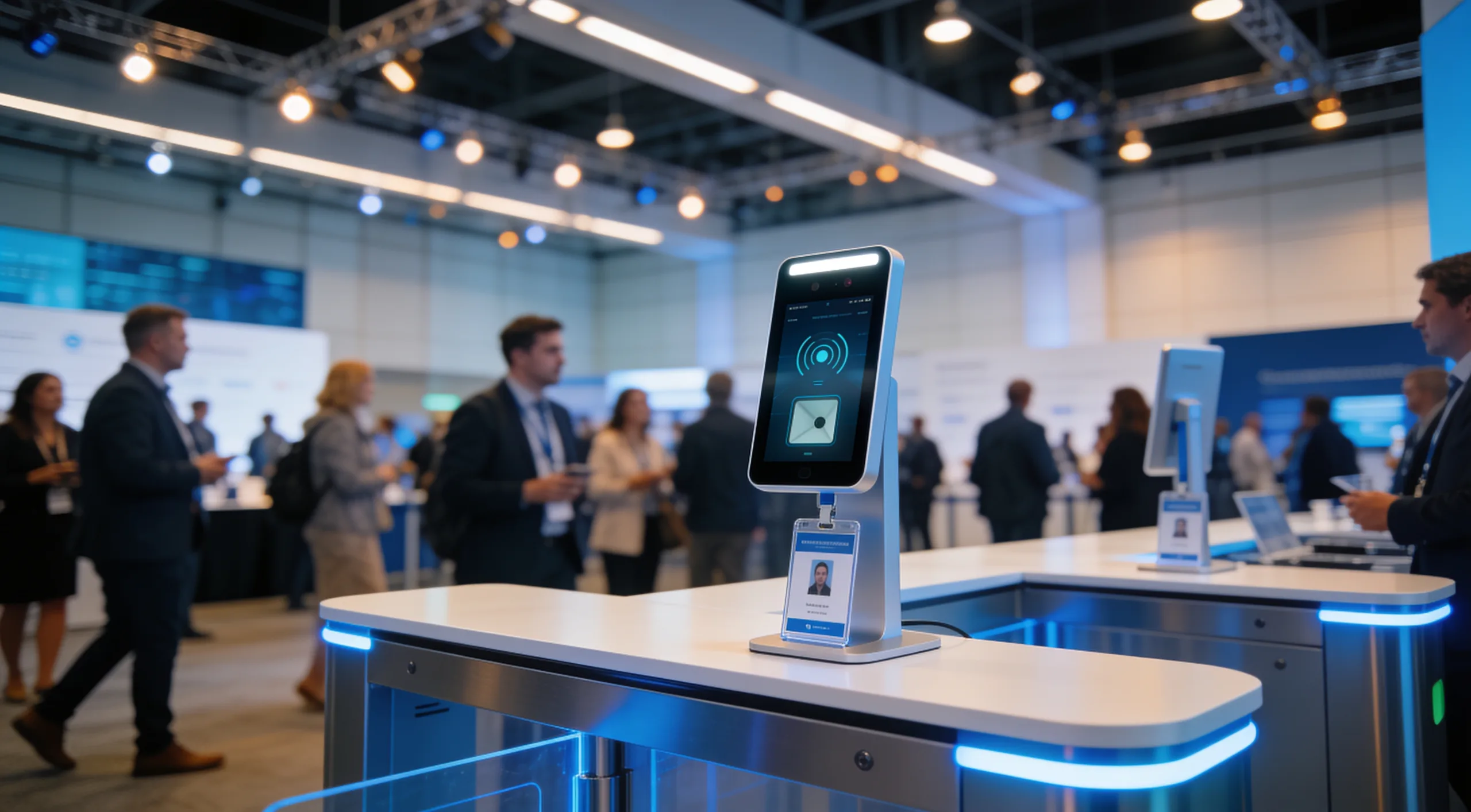
Replacing paper lists and manual verification with advanced identification systems drastically cuts down registration time. When the initial entry experience is fast and stress free, attendees enter the space with higher satisfaction and greater openness to following the content.
Information Flow and Real Time Tracking
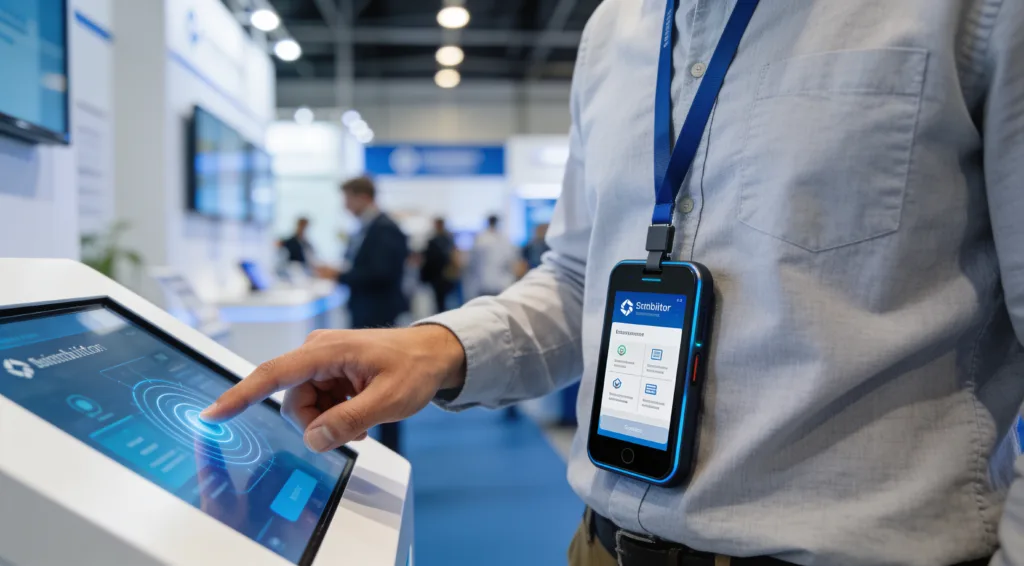
One of the most valuable areas of event digitalization is tracking visitor movement and interest. Using contactless smart cards or badges, the system can detect the occupancy of individual lecture halls and exhibition spaces in real time.
If overcrowding occurs at a specific location, the on site team can act quickly, adjust routing, or redistribute refreshments accordingly. At the same time, this data offers precise insight into which topics and speakers attracted the most attention. Instead of guessing and indirect estimates based on occasional surveys, organizers get exact data on actual presence.
Networking between attendees and exhibitors also takes on a whole new dimension. Digital contact exchange via a simple badge tap or QR code scan eliminates the need for printed business cards that often get lost. Data is automatically saved in a secure digital environment, making it easier for attendees to continue communication after the event concludes.
Measurability of Success for Sponsors and Partners
Business event sponsors no longer settle for just having their logo on printed materials or the stage. They look for concrete proof of reach and opportunities to connect with the right target audiences.
The digital ecosystem at the event enables detailed analytics of interactions at exhibition spaces. After the conference day ends, a sponsor can see exactly how many attendees visited their booth, how long they stayed, and which materials they downloaded into their digital wallets. Such transparency builds trust and greatly simplifies agreements for long term partnerships at future editions.
How Gradual Experience Upgrading Works at an Event
Before deciding to introduce new technological solutions, it is smart to review key event phases and identify primary bottlenecks.
The first step usually involves digitalizing the entry point, as fast registration immediately improves the first impression of attendees. The second step represents the introduction of smart badges to track lecture attendance and simplify networking. The third step includes connecting all collected data into a central analytical system, giving organizers a comprehensive overview of event success and preparing personalized communication with attendees after it concludes.
Connecting Technology and Authentic Networking
The goal of introducing modern digital solutions at business events is not to replace human contact with technology, but to remove administrative and logistical barriers. When technology seamlessly handles organization, identification, and analytics, attendees can focus entirely on what matters most, content, relationship building, and knowledge exchange.
